
Contents · 5 sections
Marseille is much more than its beaches and calanques! Today, let’s head to the Marseille islands, true gems of the Mediterranean, offering enchanting landscapes and fascinating stories. Ready to dive into the history and wild nature of these islands? Follow the guide!
Planier Island: Lighthouse of sailors and underwater paradise
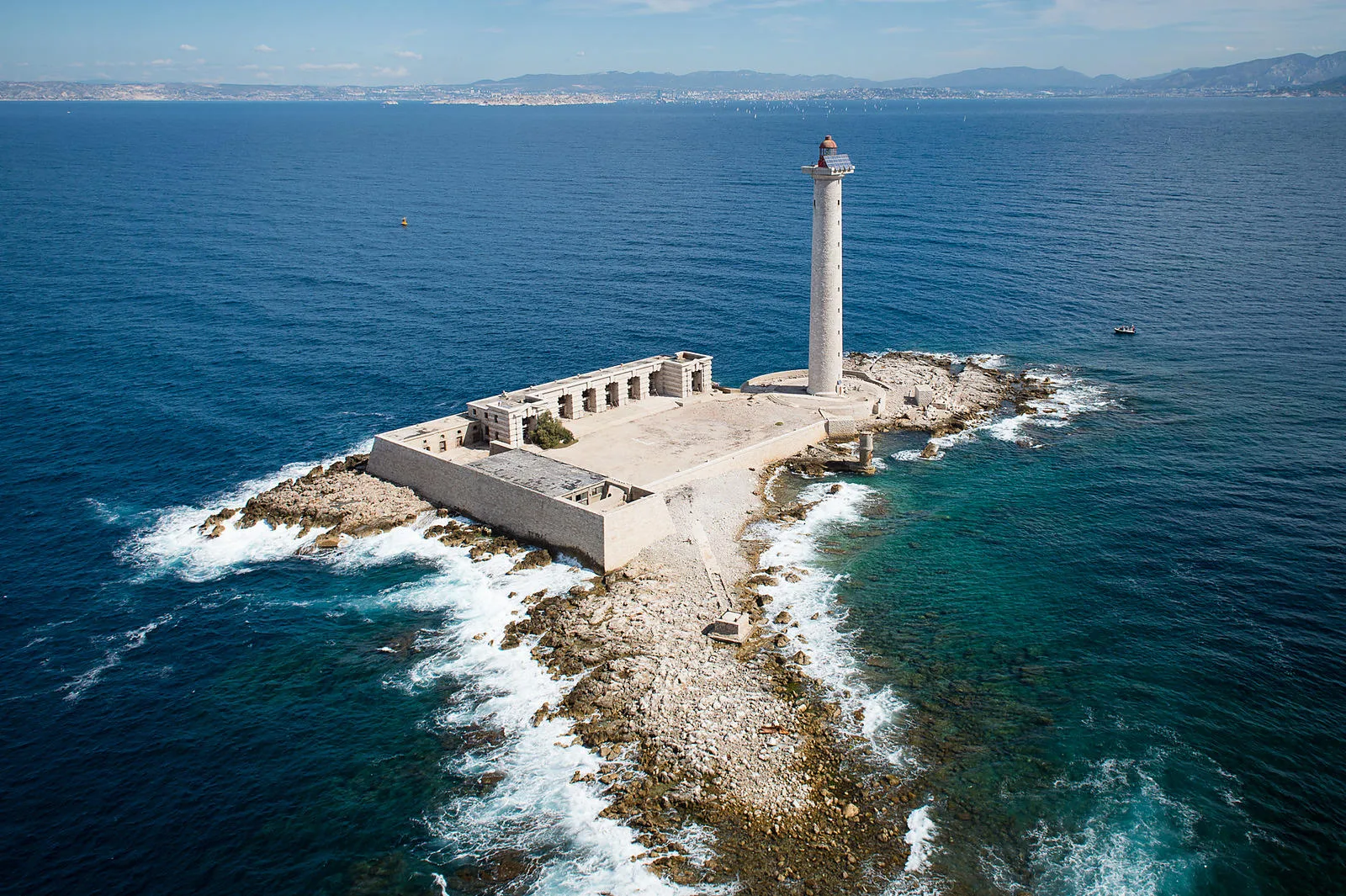
Located 12 km from the shores of Marseille, Planier Island is distinguished by its famous white lighthouse, visible from afar. Built with Cassis stone and rising to 70 meters, it is essential for guiding ships off the coast of Marseille. The site is ideal for diving enthusiasts: with its reefs and shipwrecks, it is a true underwater museum.
A bit of history
The Planier lighthouse was born in 1326, at the request of Robert of Anjou. It then served as a landmark to avoid the terrible reefs scattered nearby. Rebuilt several times (1774, 1829, 1881), it was destroyed by the Germans in August 1944; the current lighthouse, the fifth on the island, was completed in 1959.

Rich marine fauna and flora
The island attracts fishermen, divers, and underwater photographers, fascinated by its exceptional aquatic life: lobsters, moray eels, and conger eels populate the reefs. The Italian cargo ship Dalton and the Moroccan Chaouen are among the wrecks visible underwater. These vessels, covered in marine encrustations, provide refuges for abundant wildlife.
Degaby Island: Festivities and luxury in the heart of the Mediterranean

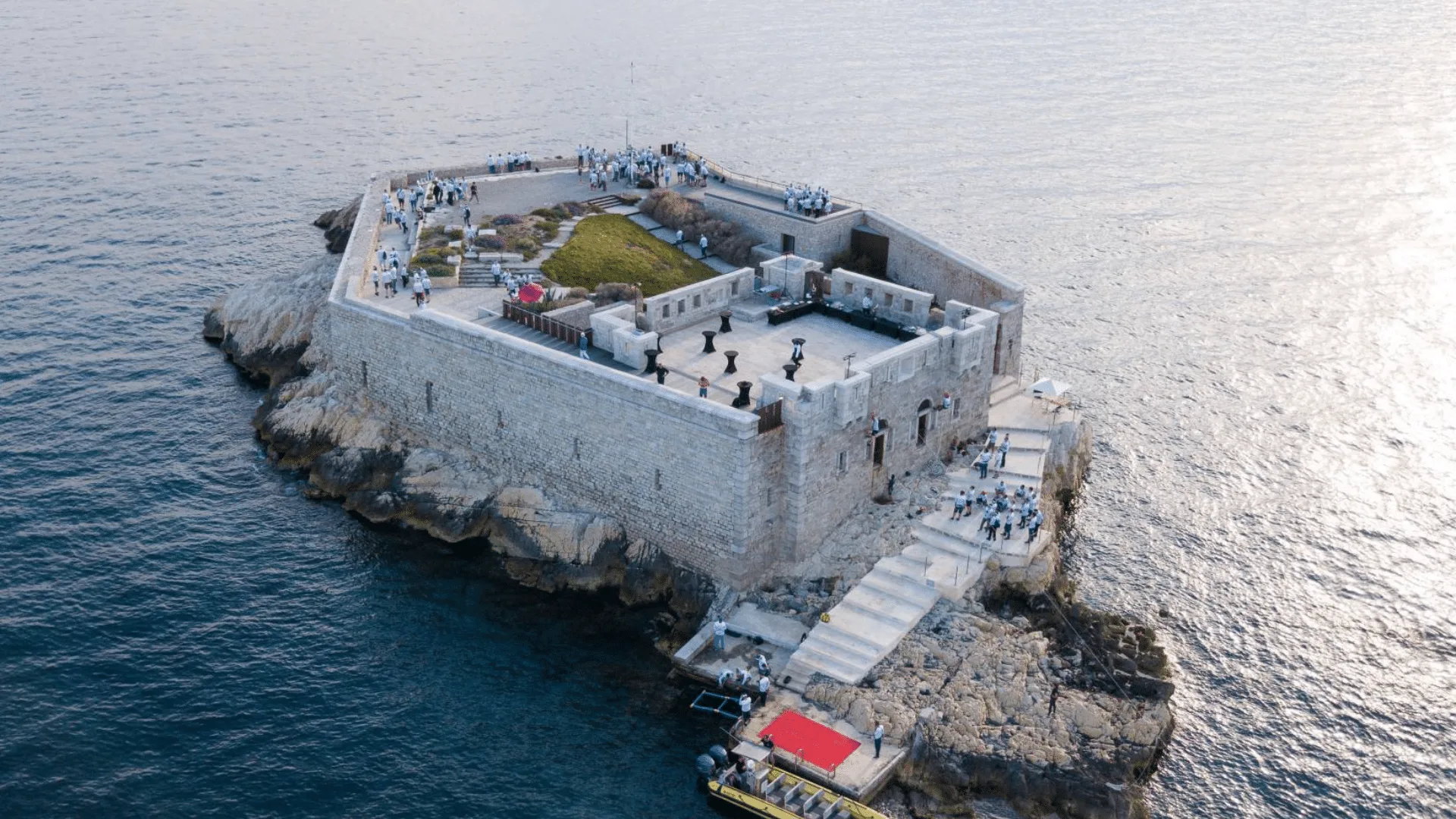
Located just 300 meters from the coast, Degaby Island is a mythical place in Marseille life. An old defense site built under Louis XIV, this small islet has become, over the centuries, the theater of sumptuous parties and luxurious receptions.
Gala evenings and dream weddings
Purchased in 1920 by André Laval for his muse Liane Degaby, the island has been the setting for flamboyant celebrations during the Roaring Twenties. Today, restored by Pascal Morabito, it hosts weddings, seminars, and film shoots. Visitors can spend an unforgettable day there, rocked by the sea breeze and a panoramic view of Marseille.
Frioul Archipelago: Wild nature and historical heritage
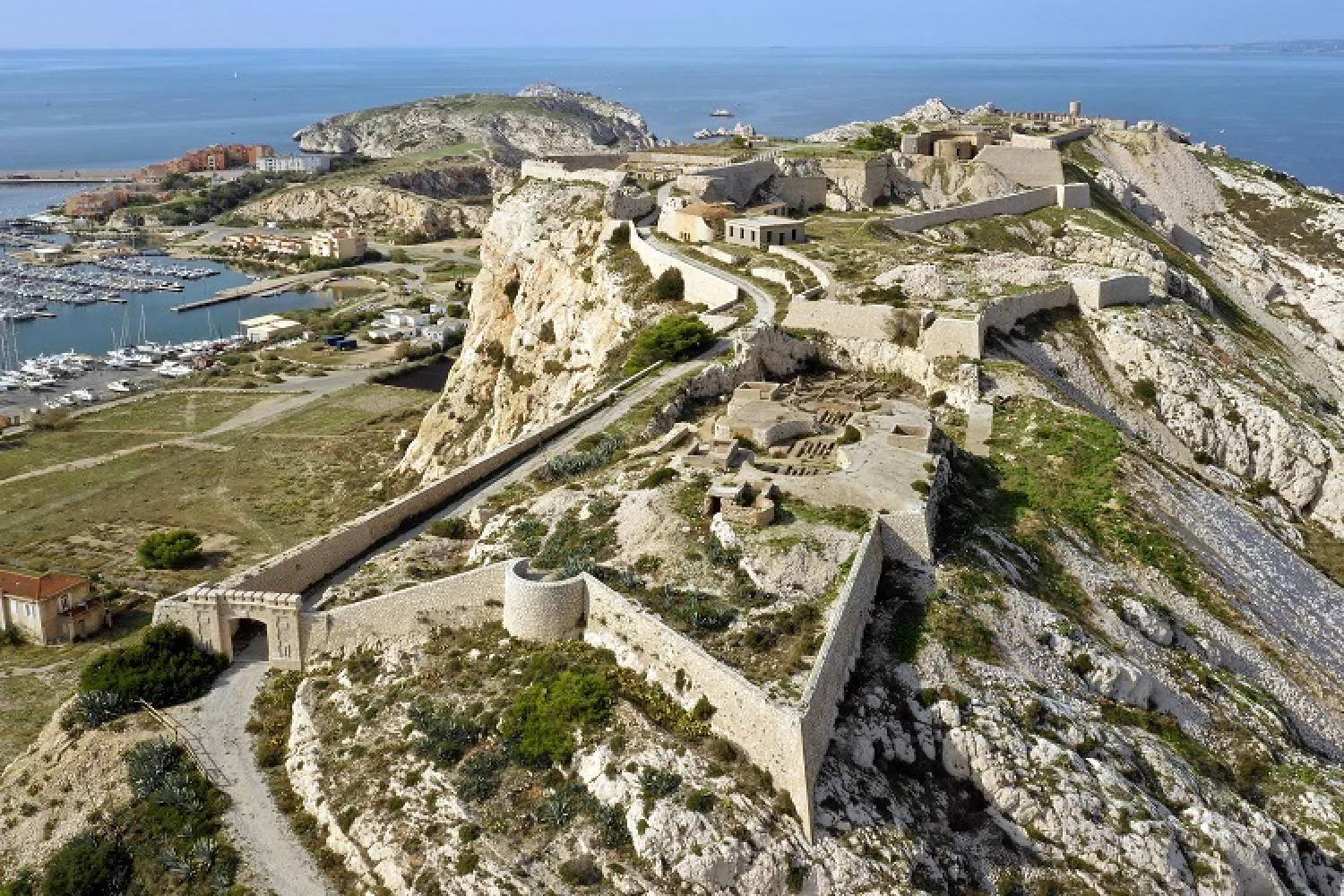
The Frioul Archipelago, consisting of the islands Pomègues, Ratonneau, and Château d’If, is a haven of peace 20 minutes by boat from the Old Port. This site is perfect for an outdoor escape, away from the hustle and bustle of the city.

Château d’If: between myth and history

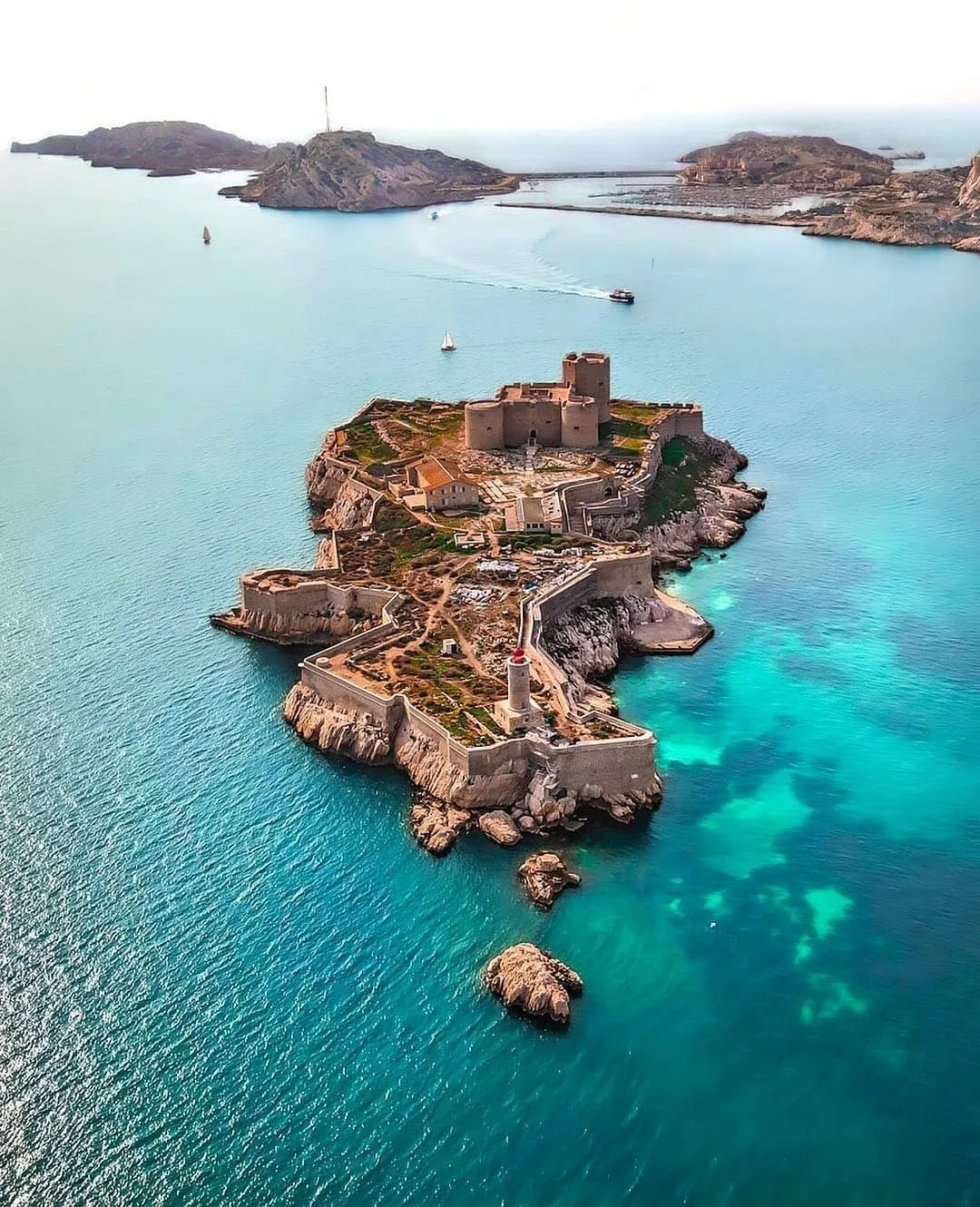
Built under Francis I, Château d’If is one of the most famous monuments in the region, made famous by The Count of Monte Cristo by Alexandre Dumas. Once a prison, it housed legendary figures, including Abbé Faria and Edmond Dantès, the hero of the novel. Visitors can explore the cells and admire the view of the Old Port from the castle’s towers.
Pomègues and Ratonneau: hiking and swimming
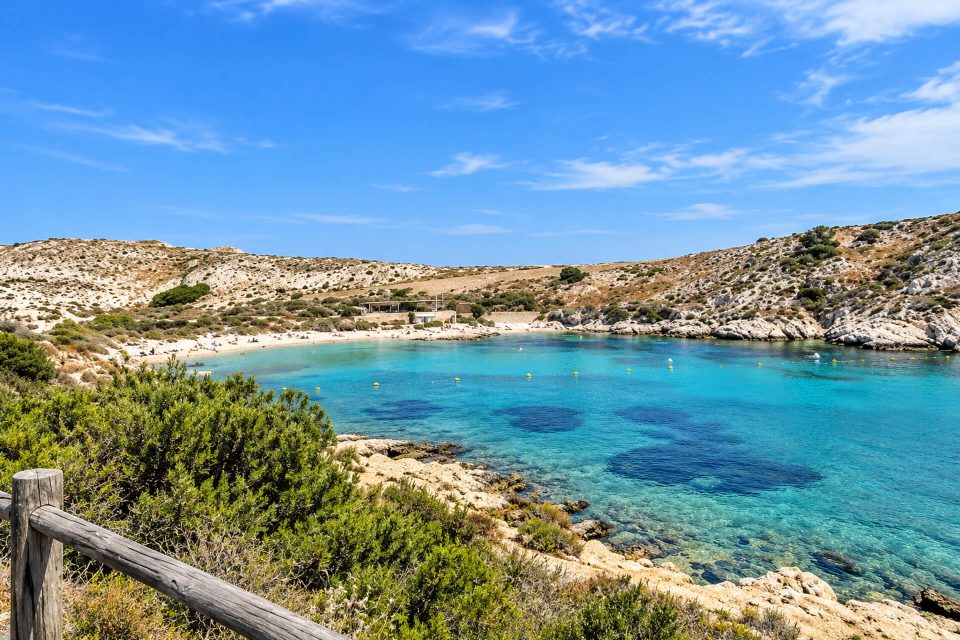
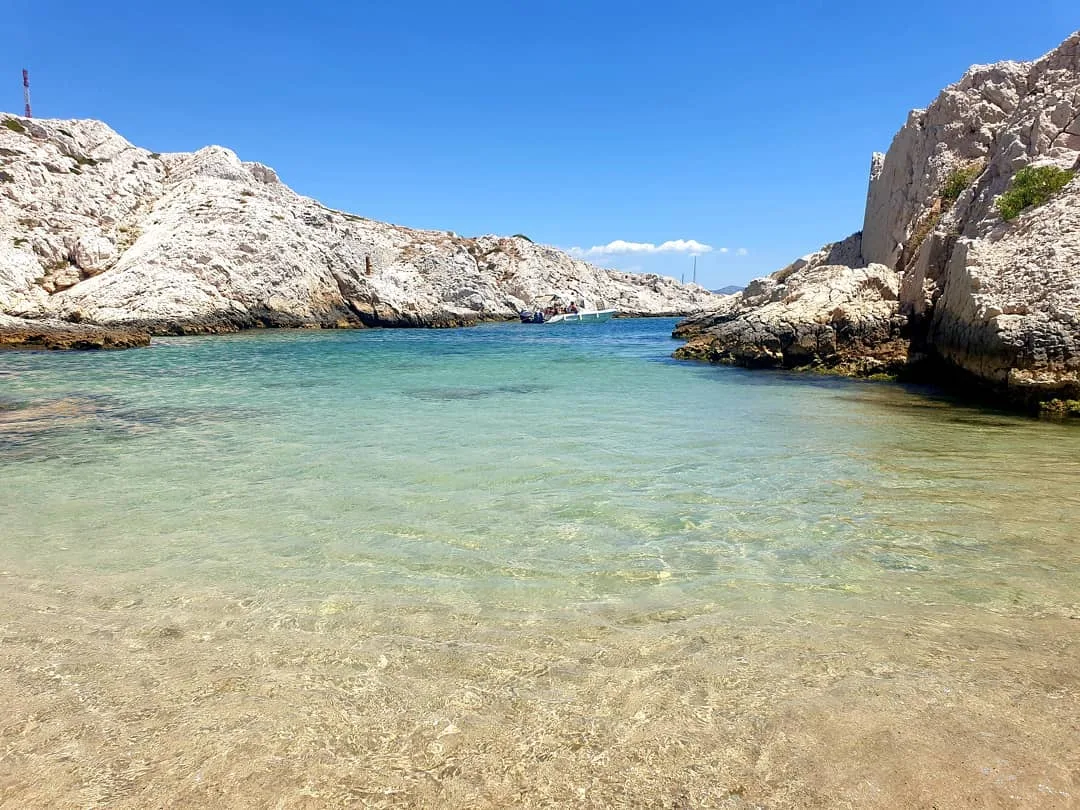
Connected by the Digue Berry, these two islands are ideal for hikers and nature lovers. Pomègues Island hosts the first organic aquaculture farm in the Mediterranean, where bass and bream are raised. On the Ratonneau side, the Saint Estève beach promises an unforgettable swim in clear waters, while the Caroline Hospital, a former quarantine site, now hosts shows and cultural events.

Riou Archipelago: a preserved natural reserve

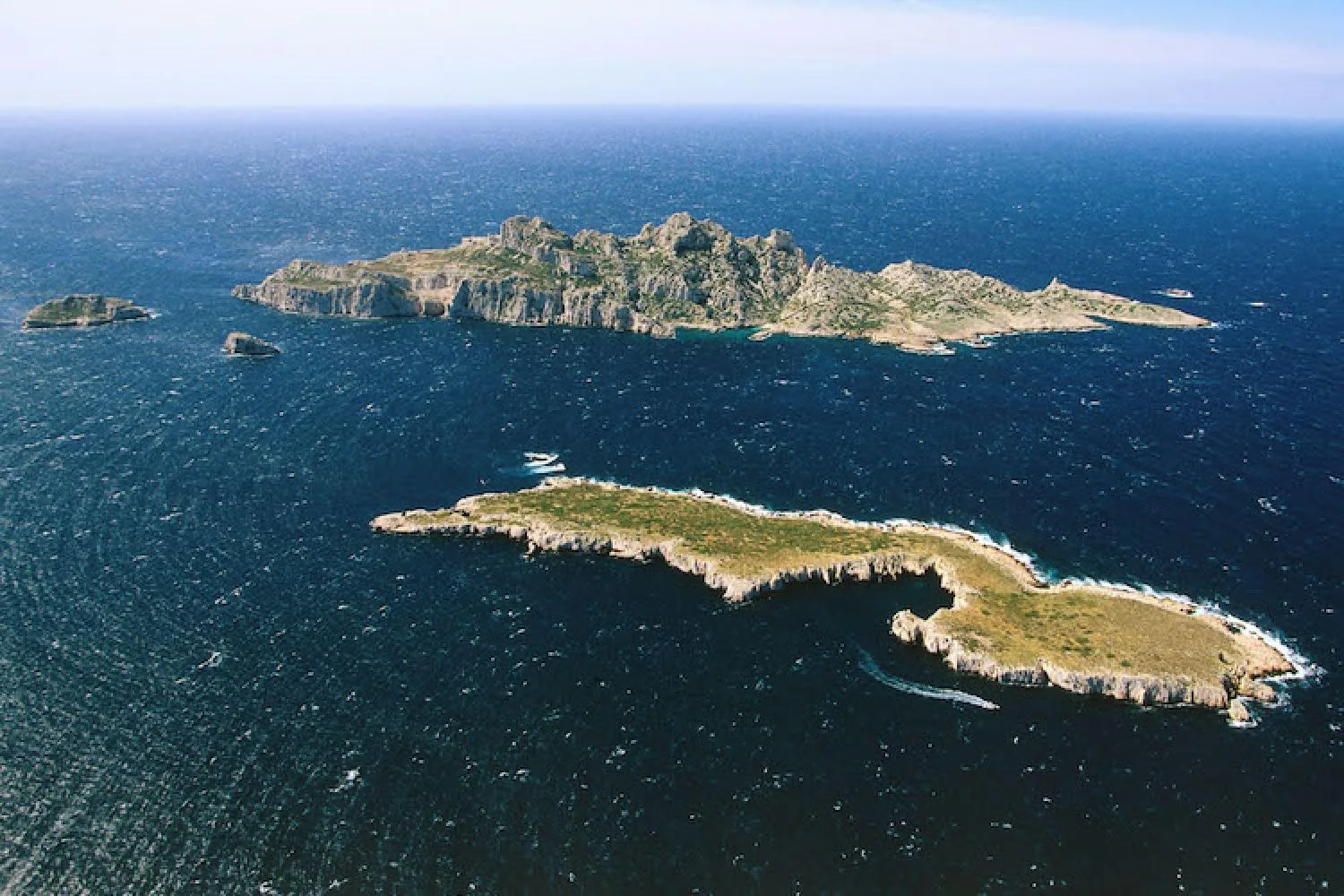
The last archipelago of the Marseille islands, the Riou archipelago is a wild refuge protected by the Calanques National Park. Composed of islands such as Maïre, Plane, and Jarre, it is rich in unique biodiversity, both on land and underwater.
A rare ecological wealth
These islands became a National Nature Reserve in 2003, before joining the core of the Calanques National Park in 2012, to protect their valuable ecosystems. The local flora includes rare species, while the fauna is dominated by seabirds such as gulls, puffins, and crested cormorants. Scuba diving around Riou is a unique experience with underwater caves and colorful seabeds.
Maïre Island: exploration and history
Facing the Goudes, Maïre Island offers desert landscapes and fascinating wrecks. Among them, the Liban, a liner sunk in 1903, is easily accessible to divers and hosts exceptional marine life. This slice of paradise is also known for its arches and tunnels, true works of art of nature.

Frequently asked questions
How do you get to the Frioul archipelago from Marseille?
The Frioul archipelago is reached by boat from the Vieux-Port in 20 minutes. It is made up of the islands of Pomègues and Ratonneau and the Château d'If.
Why is the Château d'If famous?
Built under King François I, the Château d'If is a former prison made famous by Alexandre Dumas' novel The Count of Monte Cristo, in which Abbé Faria and Edmond Dantès are held there. Visitors can explore its cells and enjoy the view of the Vieux-Port from its towers.
What can you do on the islands of Pomègues and Ratonneau?
Linked by the Digue Berry, Pomègues and Ratonneau are ideal for hiking and swimming, especially at Saint-Estève beach on Ratonneau. The former Hôpital Caroline, once a quarantine site, now hosts shows and cultural events.
Where can you go diving around the Marseille islands?
The island of Planier, 12 km offshore, offers reefs and wrecks such as the Italian cargo ship Dalton and the Chaouen. Opposite Les Goudes, the island of Maïre holds the wreck of the liner Liban, sunk in 1903, and the Riou archipelago offers underwater caves and colourful seabeds.
What is the Planier lighthouse?
The Planier lighthouse stands on the island of Planier, 12 km off the Marseille coast. Built of Cassis stone and 70 metres tall, it guides ships out at sea; the lighthouse was first established there in 1326 at the request of Robert of Anjou.