

Craftsmanshipin Marseille
Marseille soap, Provençal santons, faience, navettes: the traditional crafts of Marseille, their history and the workshops where you can discover them.
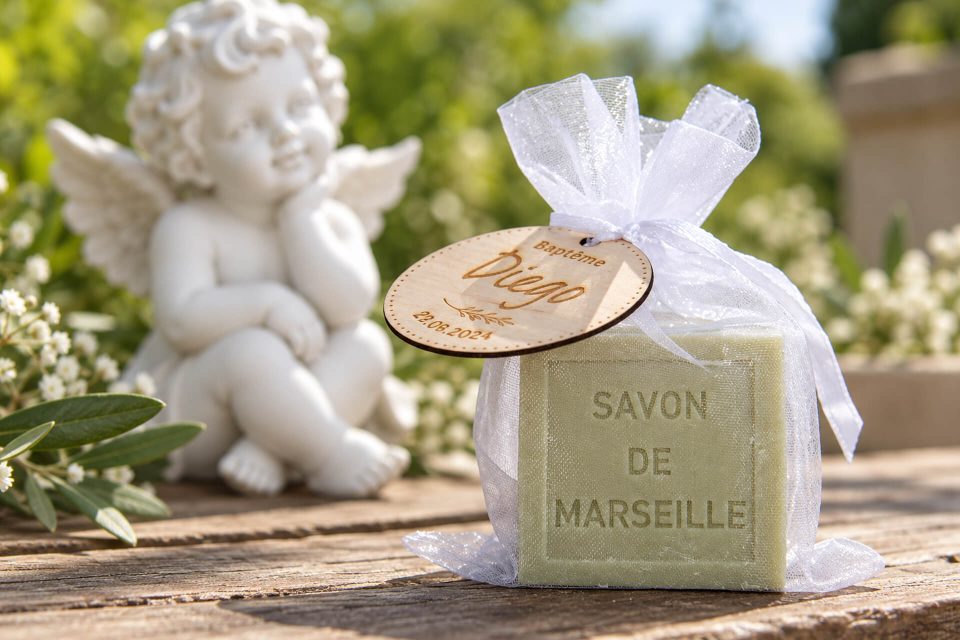
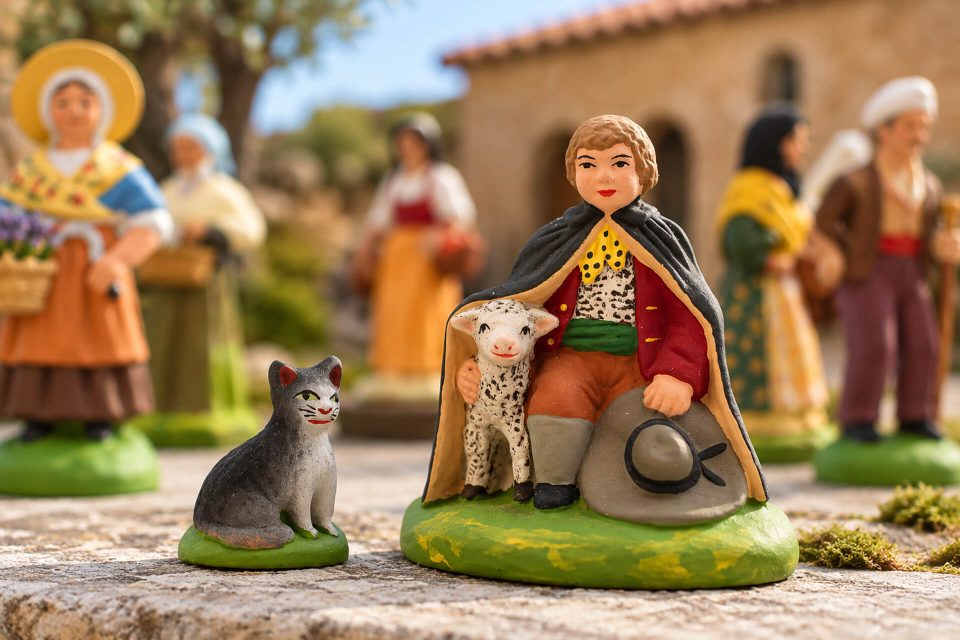
Marseille saw the birth or rise of crafts known all over the world. Marseille soap, made from vegetable oils and cooked in a cauldron, brought wealth to the port for centuries; a few soap factories still follow the traditional method and are open to visitors. Provençal santons, small clay figurines painted by hand, were born in the city in the aftermath of the Revolution.
Marseille faience, highly prized in the eighteenth century, can be seen at the museum in the Château Borély. These trades are still alive in the city’s workshops and shops, where you can watch the craftspeople at work. Our articles explain how to recognise an authentic product, avoid the imitations sold to tourists and find the places where you can buy directly from the makers.
Craftsmanship: your questions
Where can you see Marseille soap being made?
In the city’s soap factories that offer tours or demonstrations, often by booking. Enquire before you come, as visiting slots are limited.
How do you recognise a handmade santon?
It is modelled in clay, fired, then painted by hand and signed by the santon maker. Mass-produced figurines moulded in other materials are not part of the tradition.
Where can you buy santons in Marseille?
From the city’s santon makers, some of whom have workshops open to visitors, and at the santon fair at the end of the year, which brings together craftspeople from all over Provence.