

When to goto Marseille
Climate, sunshine, mistral, sea temperature and crowds: when to go to Marseille depending on what you want, from swimming to sightseeing and hiking.
Marseille enjoys a Mediterranean climate, with hot, dry summers, mild winters and plenty of sunshine. The mistral, a cold, dry wind from the north, blows in spells lasting a few days; it clears the sky but makes the sea rough and boat trips uncertain.
Spring and autumn are the best seasons to visit: the weather is mild, the light is beautiful and access to the calanques is not regulated as it is in summer. Summer is ideal for swimming, but the heat, the crowds and the possible closure of the massifs call for some planning. In winter, the city can be explored in peace, with days that are often bright. The sea is at its warmest at the end of summer. See our pages on the climate and weather to plan your stay month by month.
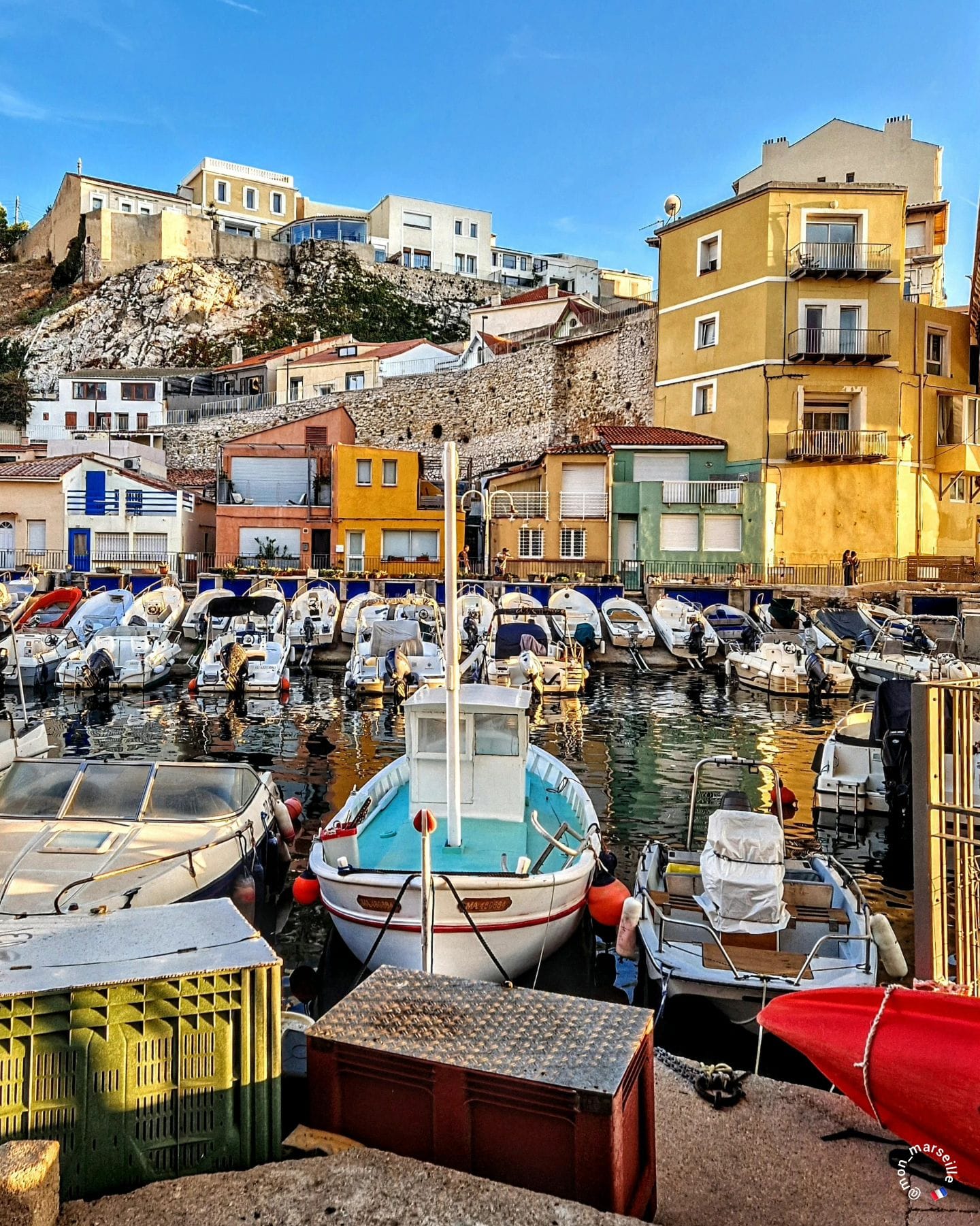
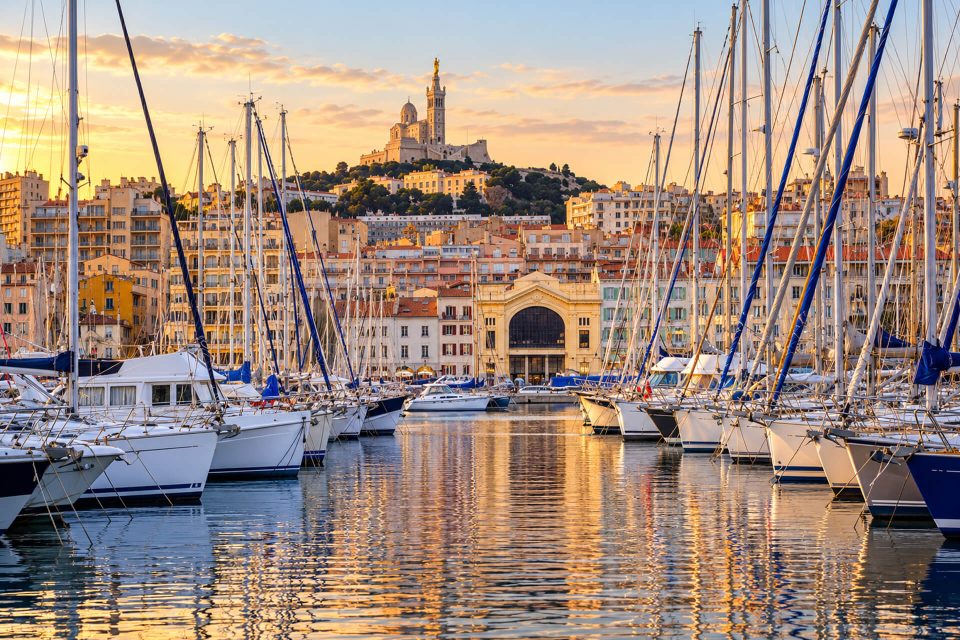

Guided tours in Marseille
On foot in Le Panier, by little train up to Notre-Dame de la Garde, by boat to the Frioul: compare tours and book online.
Find a tourWhen to go: your questions
What is the best month to go to Marseille?
May, June and September offer a good balance of warmth, pleasant sea temperatures and moderate crowds. In June and September, access to the massifs may already be regulated, so check before a hike.
When is the sea warmest in Marseille?
Generally in August and early September. A spell of mistral can, however, make the water temperature drop sharply for a few days, by bringing up cold water from offshore.
Does it rain a lot in Marseille?
There are few rainy days in the year, but autumn storms can be violent. Pack a rain jacket in autumn and avoid the trails during thunderstorms.