Contents · 5 sections
The bastides of Marseille represent a rich and diverse architectural heritage that evokes an art de vivre in Provence. These residences, often linked to nature and culture, illustrate the history of urban and rural development in the region. This article explores their history, their current situation, and how they have evolved over the centuries.
A history rooted in Provençal culture
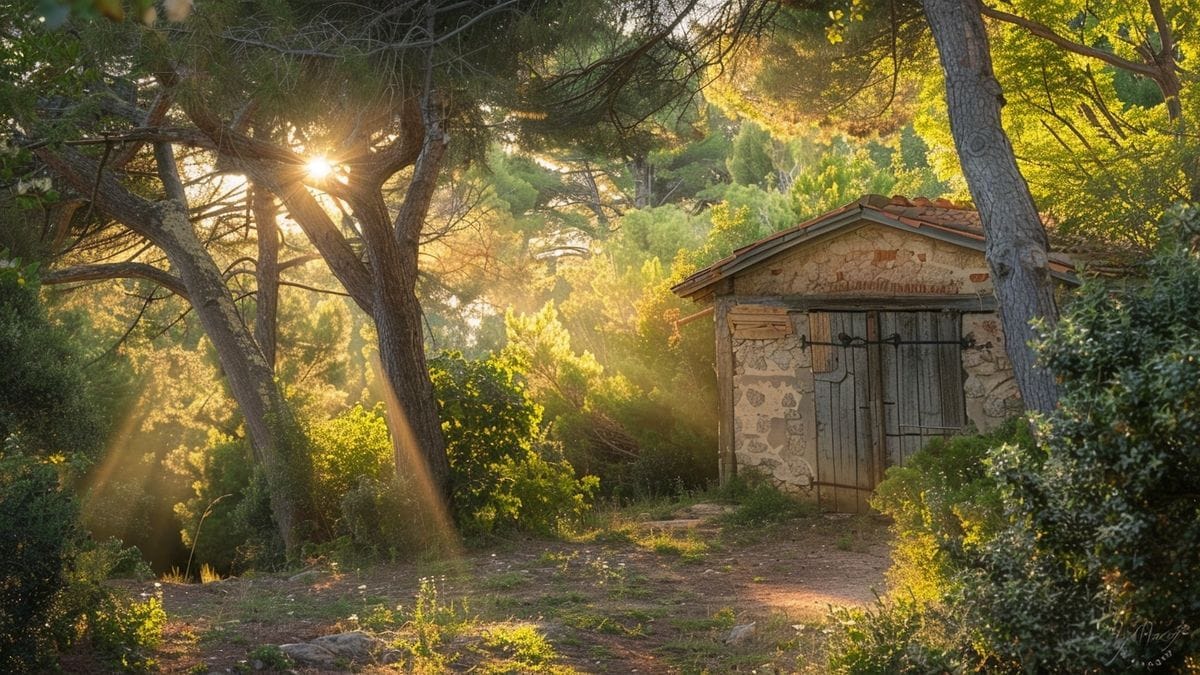
The bastides were originally secondary residences associated with the Marseille bourgeoisie. Serving both as a farmland estate and a vacation spot, these beautiful homes contributed to create a refined art de vivre. Their architecture dates back to the years 1670-1700, a period when the city of Marseille began to develop as a major commercial port in the Mediterranean. These constructions provided a pleasant living environment, ideal for growing olive trees and cultivating grapes.
The bastides today
Unfortunately, real estate pressure has severely affected the bastides of Marseille, leading to their progressive disappearance. The remnants of these historic houses can be found in a few locations, although their number has dropped from 5000 in 1807 to about 250 according to the latest inventory. Many buildings have been converted into public or private establishments, such as museums, retirement homes, and cultural centers, but these transformations often take precedence over their historical value.
Exceptional architectures and gardens
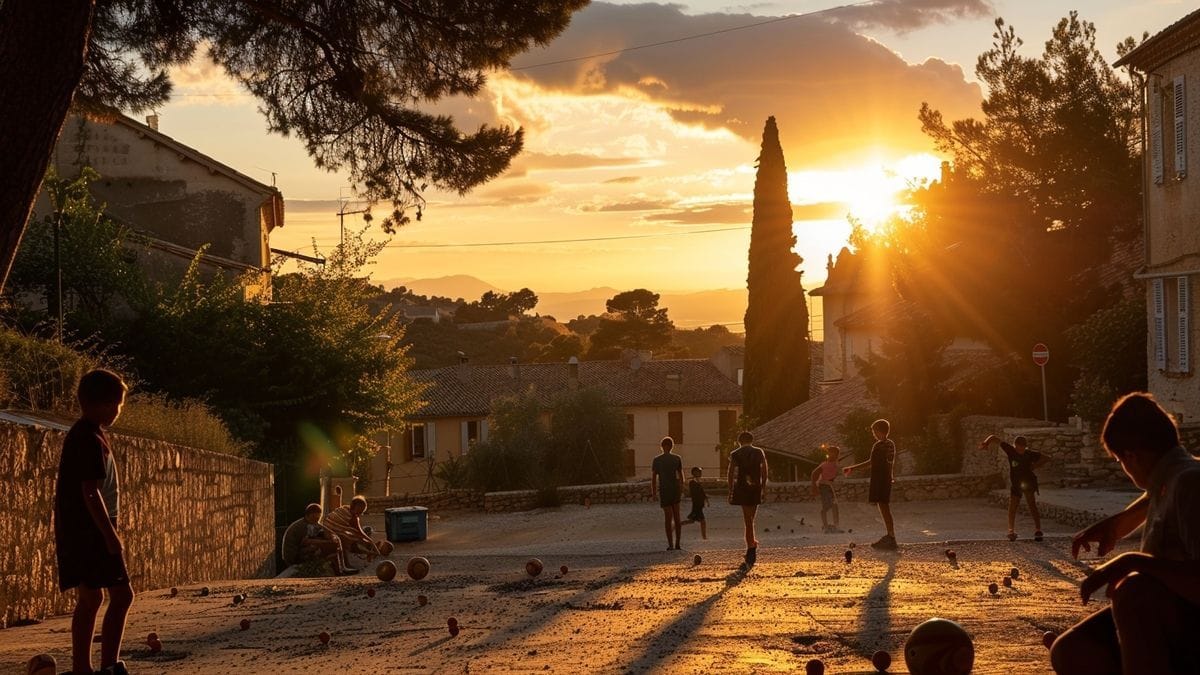
The architectures of the bastides evolve over the centuries, from simple buildings of the 17th century to more elaborate constructions of the 19th century, which incorporate concepts such as lush gardens, fountains, and grottos. These residences served as meeting places for family and friends and offered a pleasant space for outdoor activities such as walks and pétanque games.
Significant events and heritage
The bastides also served as refuges during historical epidemics of plague and cholera. The construction of the Marseille Canal, completed in the mid-19th century, improved water infrastructure, fostering the emergence of gardens adorned with rare plants. This period saw lavish parties organized in these homes, where opulence was displayed with marble decorations, gilded stuccos, and stained glass. The bastides thus testify to a rich cultural and architectural heritage that persists through time.
Frequently asked questions
What is a Marseille bastide?
A Marseille bastide is a country house that served as a second home for the city's bourgeoisie. Both a farming estate and a holiday retreat, it was used in particular to grow vines and olive trees.
How old are the bastides of Marseille?
The architecture of Marseille's bastides dates back to 1670-1700, when the city was developing into a major Mediterranean trading port. They then evolved from simple 17th-century buildings into more elaborate 19th-century houses.
How many bastides are left in Marseille?
Under property development pressure, Marseille's bastides have gradually disappeared: there were 5,000 in 1807, and only around 250 are said to remain. Many have been converted into museums, retirement homes or cultural centres.
What were the gardens of Marseille's bastides like?
In the 19th century, Marseille's bastides were surrounded by lush gardens with fountains and grottoes. Families and friends gathered there for walks and games of boules.
What role did Marseille's bastides play during epidemics?
Marseille's bastides served as refuges during the historic epidemics of plague and cholera.